
Children’s artwork is a wonderful way to capture their creativity and milestones. However, those colorful paintings, drawings, and crafts can quickly pile up, leading to clutter and frustration for parents. Finding effective ways to organize kids’ art helps keep your home neat, honors your child’s creativity, and makes it easier to revisit those special pieces later.
In this post, we’ll explore practical tips and creative ideas to keep your child’s art organized without feeling overwhelmed.
Why Organizing Kids’ Art Matters
Kids often produce a large volume of artwork, especially during school years or creative bursts at home. Without a system, art can accumulate on counters, refrigerators, and drawers. Organizing art helps:
– Reduce clutter and maintain a tidy space
– Encourage your child’s pride in their creations
– Preserve special memories and developmental progress
– Make it easy to share or display art with family and friends
Let’s dive into ways you can manage and organize kids’ art efficiently.
Set Up a Dedicated Art Storage Station
Creating a specific area for storing and sorting artwork simplifies organization. Consider these options:
Use an Art Portfolio or Binder
– Purchase a large portfolio folder designed for artwork.
– Alternatively, use a binder with sheet protectors to store flat drawings.
– Label each section by date or theme to track progress.
Install Hanging File Folders
– Use a filing cabinet or portable file box.
– Label folders by year, school grade, or type of artwork.
– This system allows quick access and neat categorization.
Designate a Storage Box or Bin
– For 3D projects like crafts or sculptures, use clear plastic bins.
– Label bins with your child’s name and year.
– Store bins in a closet or under a bed for easy retrieval.
Display Art Creatively to Celebrate Your Child
Displaying artwork not only honors your child’s effort but also keeps pieces visible and organized.
Create a Rotating Gallery Wall
– Use clipboards, frames, or wire with clothespins for easy swapping.
– Let your child choose which pieces to display.
– Rotate art regularly to keep the display fresh.
Make a Digital Photo Frame
– Take photos of artwork and upload them to a digital frame.
– This saves space while still showcasing creativity.
– It’s a great way to preserve fragile or bulky art.
Use Bulletin Boards or Magnetic Boards
– Pin up new creations to change out often.
– You can combine with shelves for small crafts.
– This keeps art accessible and encourages your child’s involvement.
Digitize Artwork for Long-Term Storage
Physical storage has limits, especially if your child is prolific with their art. Digitizing is a modern solution that also allows easy sharing.
Scan or Photograph Each Piece
– Use a scanner or a smartphone camera.
– Store digital files by date or project type.
– Free apps and cloud services can help organize and back up images.
Create Photo Books or Slideshows
– Use online services to create printed photo books of artwork.
– Compile slideshows for special occasions or gifts.
– These formats reduce clutter and make wonderful keepsakes.
Involve Your Child in the Process
Including your child in organizing helps them value their creations and develop responsibility.
– Let them choose favorite pieces to keep or display.
– Teach sorting skills based on themes, colors, or dates.
– Encourage decision-making about what to store, digitize, or recycle.
Manage Incoming Artwork Regularly
Don’t wait until artwork piles up. Set a routine for managing new pieces.
– Establish a “drop zone” where kids place new artwork.
– Schedule weekly or monthly review sessions.
– Decide which items to keep, display, digitize, or recycle.
Repurpose or Gift Artwork Creatively
If you find you have more artwork than space allows, consider fun ways to reuse or share it.
– Use drawings as gift wrap or greeting cards.
– Turn art into bookmarks or craft projects.
– Gift special pieces to family members who will appreciate them.
Tips for Preserving Art Quality
Some artwork is worth archiving carefully.
– Use acid-free folders or sleeves to prevent yellowing.
– Store artwork flat to avoid wrinkles.
– Keep humidity and sunlight minimal to preserve colors.
Final Thoughts
Organizing kids’ art doesn’t have to be overwhelming. With the right systems in place, you can cherish your child’s creativity without clutter. Whether using portfolios, digital archives, or creative displays, the key is consistency and involving your kids in the process. This approach builds lasting memories and keeps your home happy and organized.
Enjoy the journey of preserving your child’s artistic adventures!
Related Posts
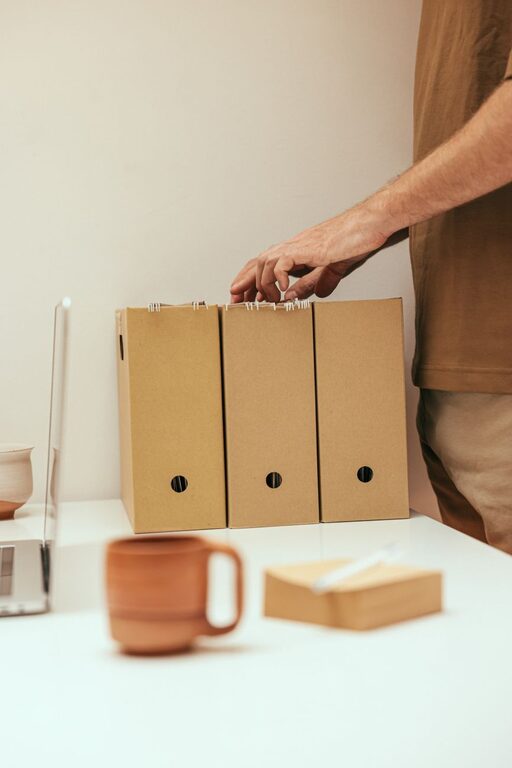
Tips for Organizing Files on Your Computer Efficiently
Keeping your computer files organized can save you time, reduce…
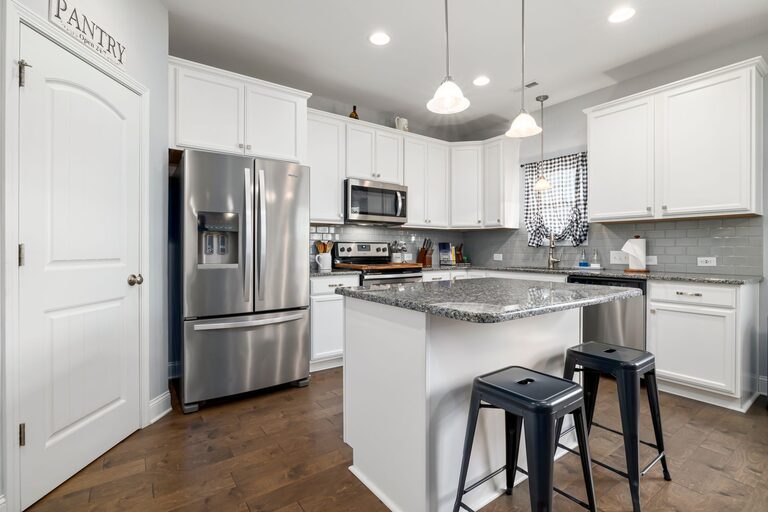
How to Keep a Tidy Fridge and Pantry: Simple Tips for an Organized Kitchen
Keeping your fridge and pantry tidy is a great way…
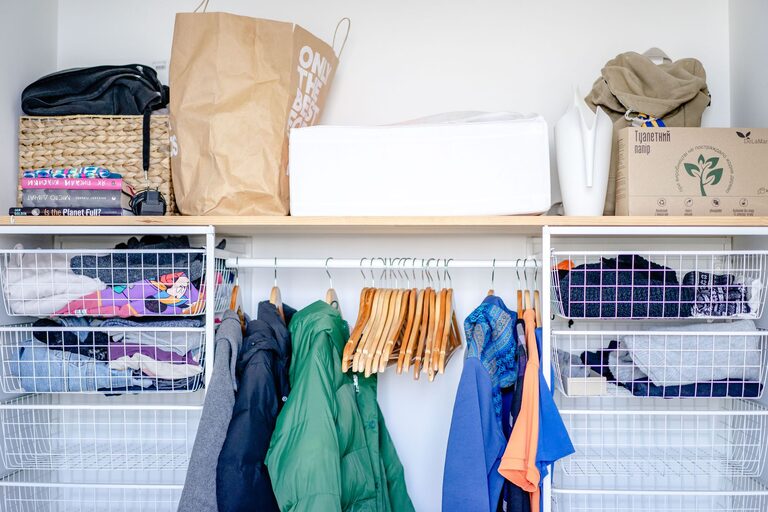
How to Store Seasonal Clothes Efficiently for Every Home
Storing seasonal clothes efficiently is a great way to maximize…